Wildlife in the South Hams
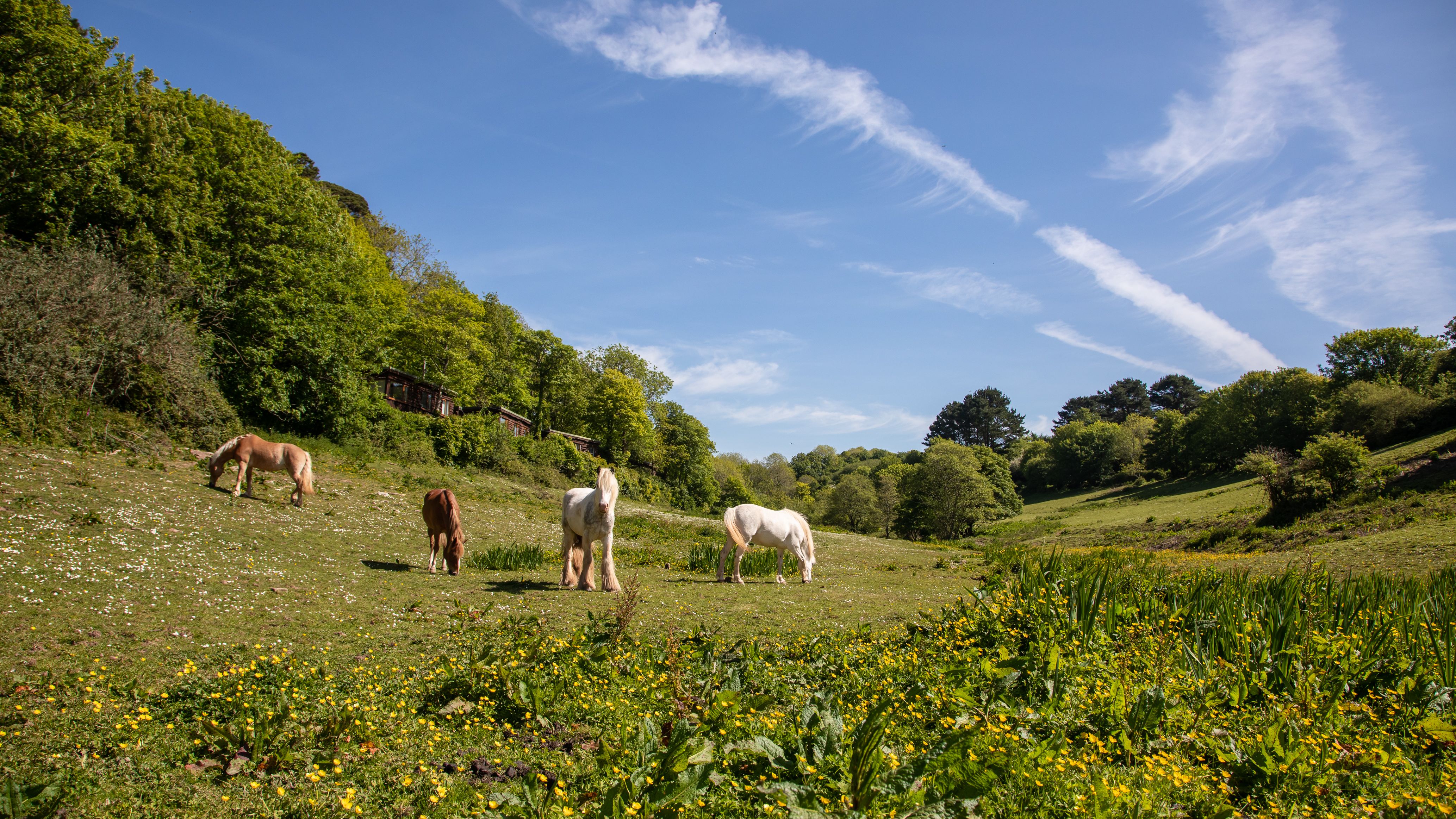
Immerse yourself in nature and discover the incredible array of wildlife in the South Hams. Throughout the seasons, Churchwood Valley and its surrounding woodlands, pastures, and coastline are home to an impressive variety of flora and fauna.
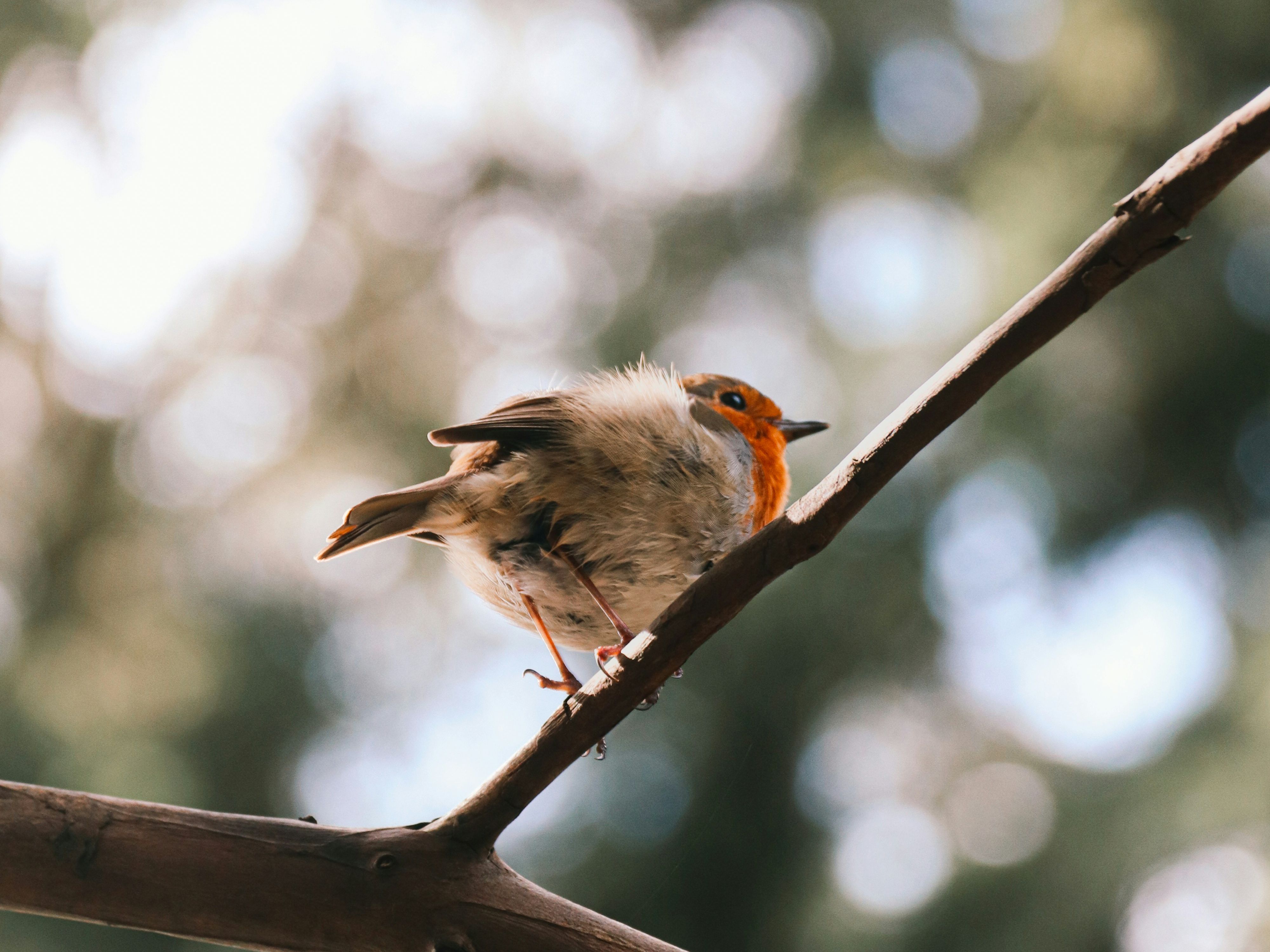
You’ll find a remarkable range of birdlife in the park, from breeding tawny owls, whose owlets can often be seen and heard in May, to secretive fire crests and the rare cirl buntings that breed in Wembury’s coastal scrubland habitat.
Stoats and weasels are regularly seen chasing the abundant voles, shrews, and wood mice, and, if you’re lucky, you might spot a fox, badger, or even a fallow deer bounding through the bushes.
Fans of mini-beasts will find plenty to search for too. Look closely, and you might discover the shimmering oil beetles in late spring, over ten species of butterflies regularly feeding throughout spring and summer, the striking hummingbird hawkmoths which visit in mid-summer to gorge on the blooming buddleia, and the beautiful Jersey tiger moth with its captivating flash of orange, to name just a few.
Plant lovers will enjoy exploring the park in April, May and June when the woodland wildflowers put on a spectacular show. The astonishing biodiversity, not only in the park but also through the water meadows and the coastal areas, is enough to keep any plant-minded soul regularly reaching for their pocket flower guide.
For more information about the local wildlife, please contact us. Our guests love sharing their photos, and we have a gallery on our Facebook page.
Wembury Bay
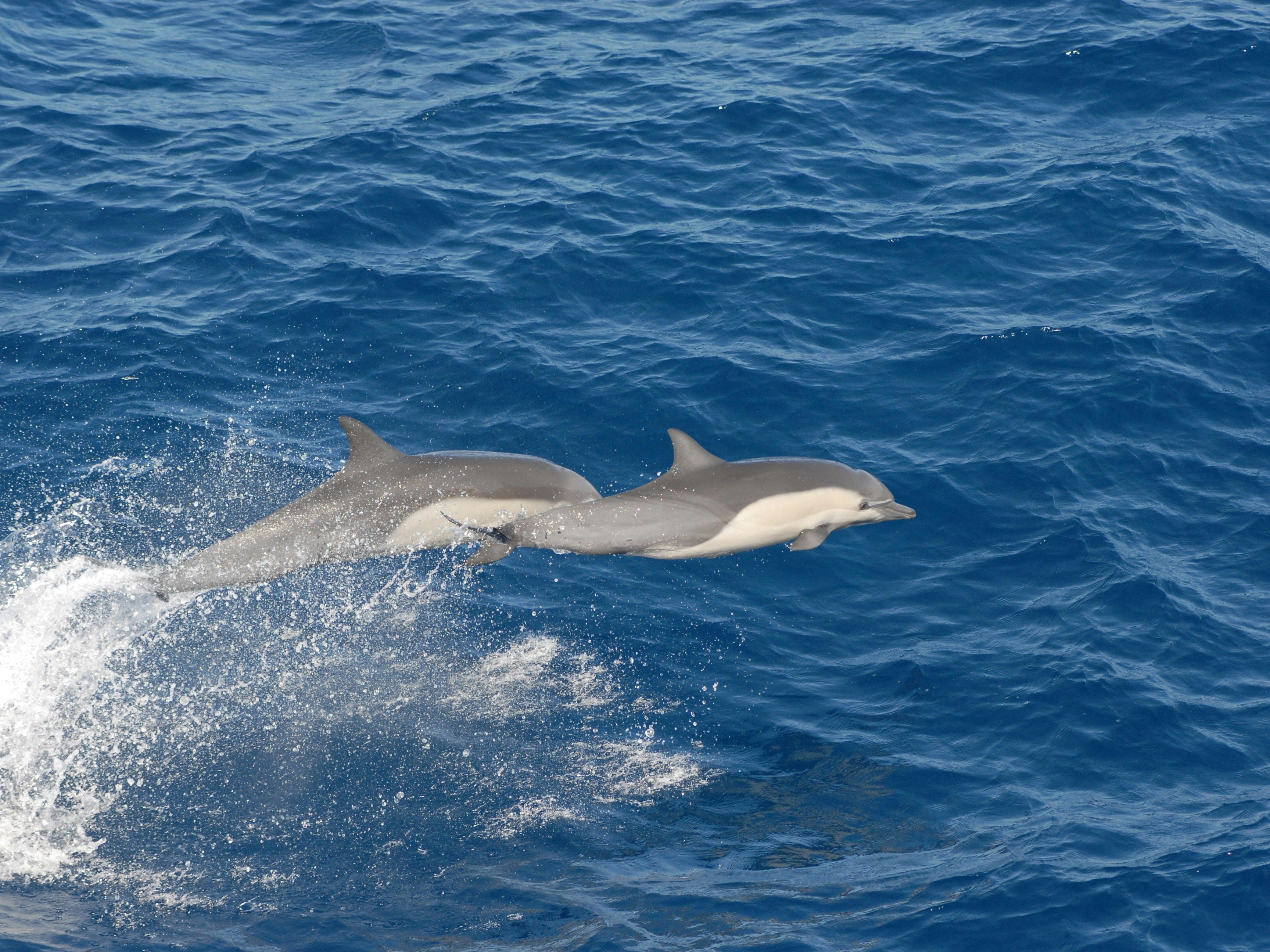
Wembury Bay is nationally renowned for its almost unparalleled biodiversity in coastal marine life. If you’re lucky, you might spot common dolphins or grey seals from the coast. Shoals of feeding fish, including the gargantuan bluefin tuna, pass through the bay throughout the year, and there’s a wonderful variety of birdlife.
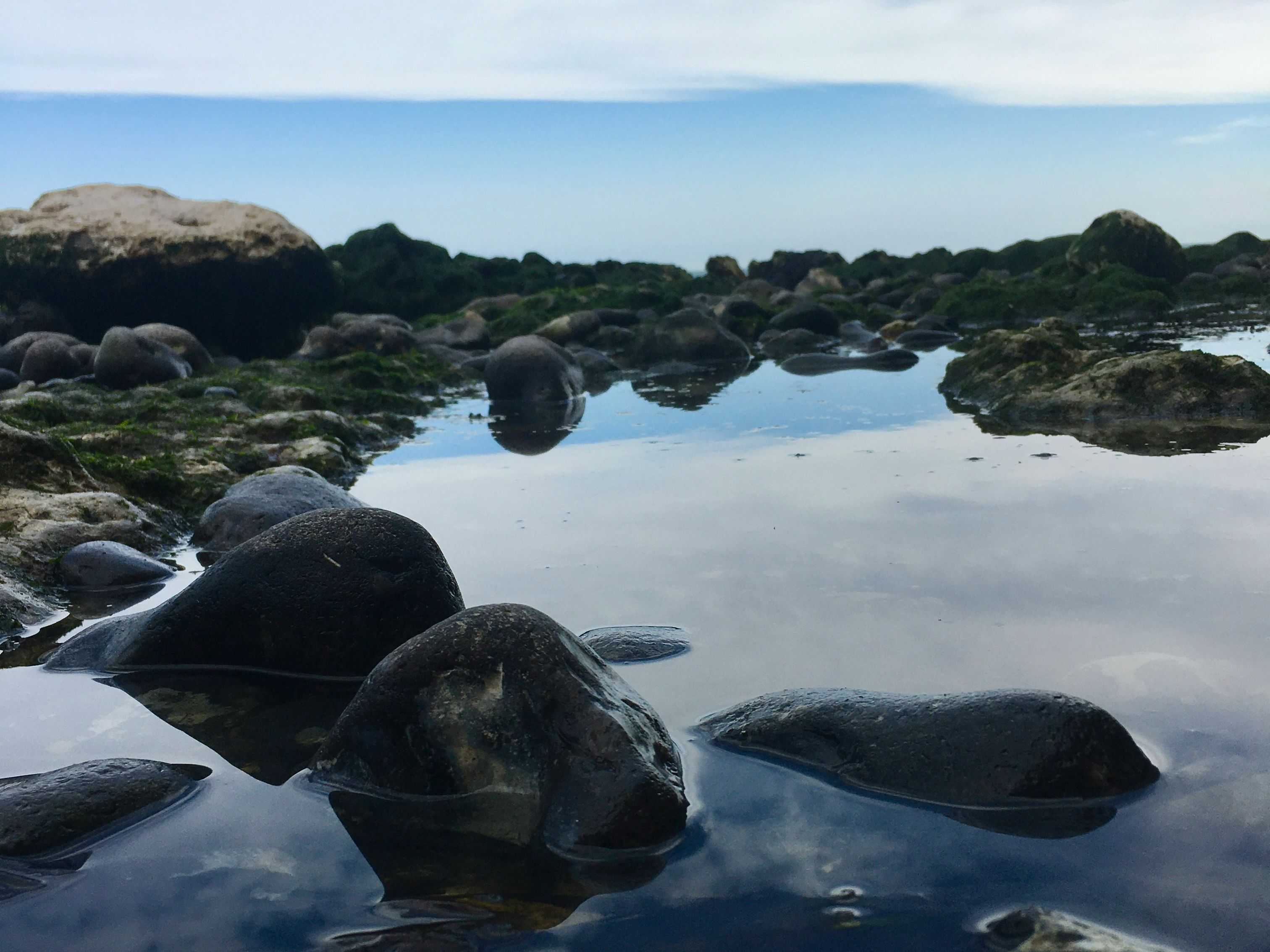
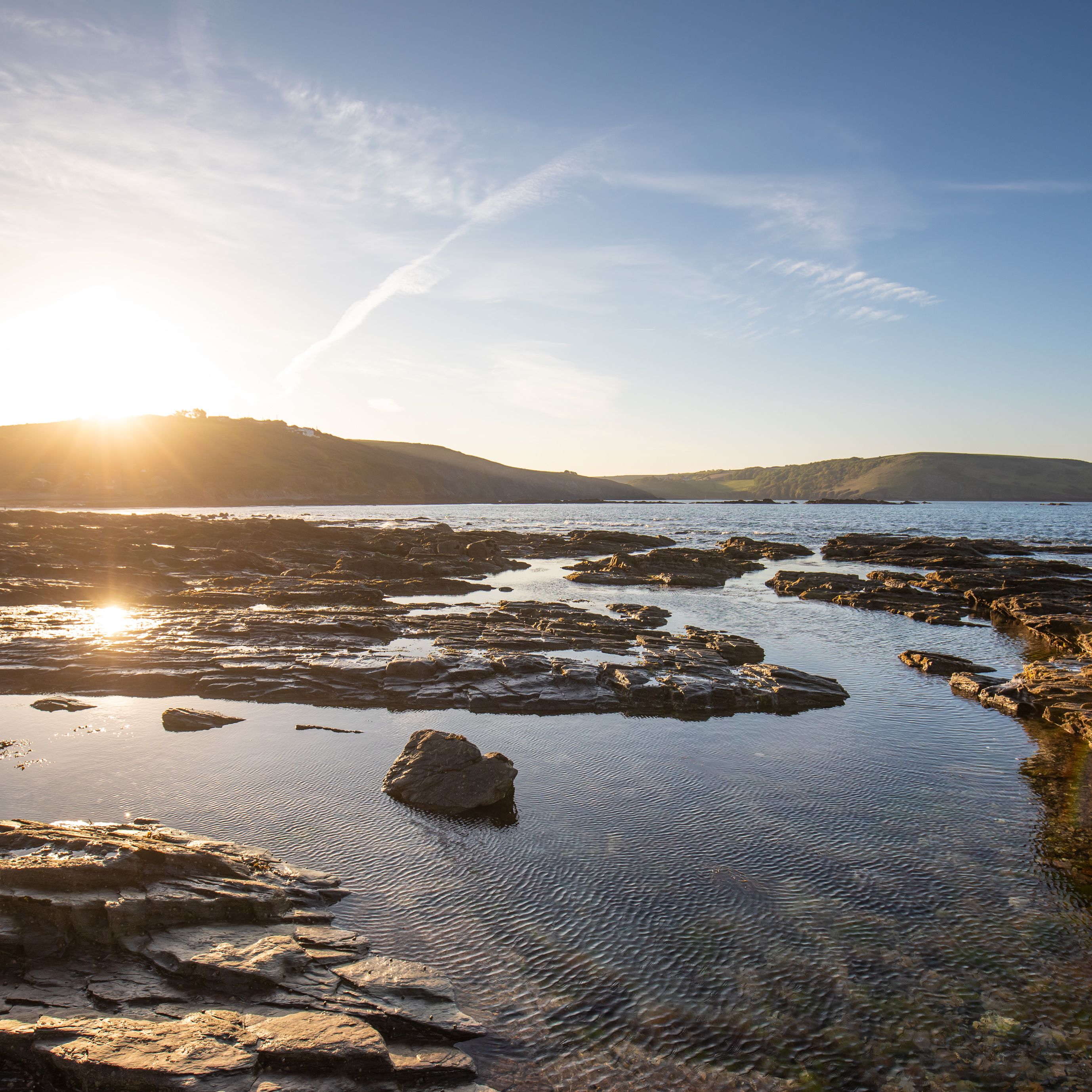
At low tide, Wembury’s coastline is studded with rockpools, with recent surveys finding species, such as the giant goby and the St Piran’s hermit crab, that are known to exist in only a handful of locations in the UK.
Wembury Marine Centre
Just up from the beach, the Wembury Marine Centre is the ideal place to learn about the surrounding area and its wildlife.
Run by Devon Wildlife Trust, the Marine Centre organises rock-pool rambles and guided snorkelling safaris to help anyone find, catch, identify and release a multitude of wonderful creatures.
Wembury and the surrounding coastline form a Marine Conservation Area (MCA) and a Special Area of Conservation (SAC), helping to protect it from human pressures.
Have a look at this video to see what lies beneath the waves.
The Seashore Code
Help protect Devon's special coastline by following the Seashore Code every time you go rockpooling.
Right way up!
Enjoy looking under rocks but always replace them carefully, just how you found them.
One at a time
Always put seawater in your bucket first and no more than one creature at a time.
No nets!
Be gentle catching animals in rockpools — use your hands, not nets.
Put me back
Many animals have special homes so always return them to where they were found.
Watch your step!
Take care not to damage seashore creatures underfoot or by pulling them off rocks.
Be safe; be kind
Check tide times, avoid dangerous cliffs and slippery rocks, and always take your litter home.
RSPB
The Royal Society for the Protection of Birds (RSPB) website is a useful reference point for all the birds you’ll spot at Churchwood. See how many birds you can spot during your stay and enjoy finding out more about them.